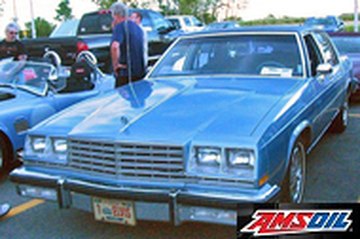
Maintaining Lubrication Standards for the 1981 Buick LESABRE 4.1L
Proper engine maintenance is a cornerstone of long-term vehicle health, particularly for an engine like the 4.1L found in this 1981 Buick LESABRE. While modern vehicles often feature automated monitoring systems, older engines require a more hands-on approach to ensure that lubrication remains effective and that potential issues are identified before they escalate into mechanical failures.Monitoring Fluid Integrity and Condition
One of the most effective ways to monitor the health of an engine is through regular observation of its fluids. For the 1981 Buick LESABRE, this involves more than just checking levels; it requires an assessment of the lubricant's physical condition. When performing routine checks, look for changes in the color or consistency of the oil. If the oil appears excessively dark or contains visible particulate matter, it may indicate that the lubricant has undergone significant thermal stress or that the filtration process is not keeping up with engine debris. Furthermore, any milky appearance in the oil can be a sign of contamination, which warrants immediate investigation to determine the source. Beyond the oil itself, inspecting other vital fluids—such as the coolant—is essential. Evidence of fluid seepage around various gaskets and seals should be noted during every inspection. While some degree of seepage is common in older engines, active leaks can lead to sudden fluid loss and subsequent engine damage. Identifying these areas early allows for planned maintenance rather than emergency repairs.Practical Inspection of Engine Components
A thorough maintenance routine includes a visual survey of the components surrounding the engine block. For an engine from this era, several items deserve regular attention:- Gaskets and Seals: Inspect accessible sealing surfaces for signs of weeping or residue. Maintaining these seals helps prevent the loss of vital lubricants.
- Hoses and Connections: If present, examine rubber hoses for signs of hardening, cracking, or bulging. Ensuring that cooling and vacuum lines remain intact is critical for stable engine operation.
- Drive Belts: If equipped, inspect accessible drive belts for evidence of glazing, fraying, or surface cracking. A belt that shows significant wear may eventually fail, affecting various engine-driven accessories.
- Electrical Connections: Check that wiring harnesses and electrical connectors are secure and free from corrosion or fraying, as stable electrical signals are necessary for consistent engine performance.
Addressing Long-Term Ownership Needs
As vehicles age, maintenance priorities often shift from simple part replacement to more comprehensive condition management. For owners of a 1981 Buick LESABRE, the most effective strategy is to base service decisions on the actual condition of the vehicle rather than strictly on its age. If you are managing a vehicle with an incomplete service history, your first priority should be establishing a maintenance baseline. This can be done by performing a comprehensive inspection of all fluids and major engine components. Once you have documented the current state of the engine, you can more accurately track changes over time. Keeping detailed records of every oil change, filter replacement, and observed leak is invaluable. These records allow you to distinguish between a new issue and a long-standing condition, helping you prioritize repairs that are most urgent. For example, addressing an active, slow leak is often more critical than replacing a component that still appears to be in good functional condition.Recognizing Potential Operational Changes
It is important to remain observant of how the engine behaves during operation. While many symptoms can have multiple underlying causes, certain changes should prompt closer inspection:- Changes in Lubricant Consumption: If you notice that you are needing to add oil more frequently than in previous months, this warrants an investigation into potential leak sources or internal consumption.
- Unusual Noises: Any new mechanical sounds—such as tapping, knocking, or whistling—should be investigated promptly, as they can be associated with various lubrication or mechanical issues.
- Exhaust Observations: Changes in the color or consistency of exhaust smoke may indicate that something is entering the combustion process that should not be there.
- Warning Indicators: If the vehicle is equipped with any dashboard warning lights related to engine operation, these should never be ignored.
Effective Strategies for Engine Care
To maximize the longevity of the 4.1L engine, maintenance should be viewed as a proactive rather than a reactive process. This means looking for signs of wear before they result in a breakdown. For instance, instead of waiting for a belt to snap or a hose to burst, inspecting them during every oil service can prevent unexpected downtime. Furthermore, ensuring that the air filtration system is clean and free of debris helps reduce the amount of particulate matter that can enter the engine environment. A clean intake path supports more efficient operation and reduces the load on the engine's internal components. Consistent attention to these smaller details contributes to a much more stable and reliable ownership experience over many years.Buying Engine Oil for your 1981 Buick LESABRE 4.1L
When it is time to replenish your engine's lubrication, the most important step is to ensure the product you select matches the specific requirements of your application. Do not rely on general assumptions about what an older vehicle might need; instead, match the engine oil to the application-specific viscosity information already displayed on this page. When shopping for products, consider the following:- Verify Labeling: Always check the product packaging to ensure it meets the necessary standards and matches the viscosity requirements listed in your vehicle's documentation.
- Evaluate Formulations: Depending on your specific needs, you may choose between conventional, synthetic blend, or full synthetic oils. Some high-mileage oil formulations also contain additives intended for use in aging engines, including seal-conditioning additives.
- Check Quality Standards: Ensure the oil carries the appropriate API certification to guarantee it meets modern performance and protection standards.